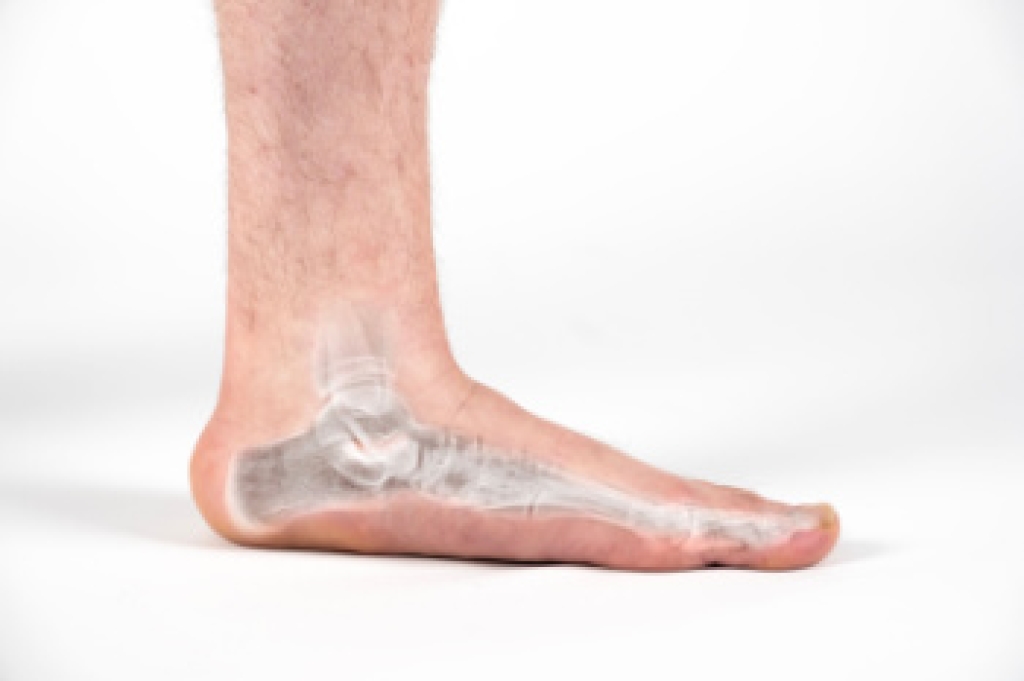
When Flat Feet Should Be Evaluated

Flat feet occur when the arches of the feet are lower than usual or are not visible while standing. Many children naturally have flat feet during early development, but their arches often form as they grow. In some cases, the arches either do not develop fully or flatten later in life. While many people with flat feet have no symptoms, others may experience foot pain, fatigue, or discomfort after standing or walking for long periods of time. Some individuals also notice swelling along the inside of the ankle or changes in the way they walk. Because flat feet can affect foot function differently from person to person, a professional evaluation is important to determine whether treatment is necessary.


Flat feet can place stress on the muscles, tendons, and joints that support the feet. This added strain may contribute to heel pain, ankle discomfort, or problems with overall alignment when walking. In children, most flexible flat feet do not require treatment unless they are painful, stiff, or interfere with normal activities. A comprehensive podiatry examination helps evaluate foot structure, flexibility, and walking mechanics while identifying any underlying conditions that may be contributing to symptoms. Early assessment is especially important when pain, limited movement, or changes in mobility are present, allowing appropriate care to begin before symptoms become more significant.


A podiatrist specializes in evaluating flat feet in both children and adults and determining whether the condition is affecting foot health or daily function. Professional care focuses on relieving pain, improving mobility, and supporting healthy foot mechanics based on each patient's individual needs. Treatment recommendations are guided by symptoms, physical findings, and overall activity level rather than the appearance of the arch alone. Regular podiatry visits also help monitor changes and identify new concerns early. If you or your child has persistent foot pain, difficulty walking, or concerns about flat feet, it is suggested that you consult a podiatrist for an evaluation and appropriate treatment options.

Flatfoot is a condition many people suffer from. If you have flat feet, contact one of our podiatrists from Barry University Foot and Ankle Institute. Our doctors will treat your foot and ankle needs.

What Are Flat Feet?

Flatfoot is a condition in which the arch of the foot is depressed and the sole of the foot is almost completely in contact with the ground. About 20-30% of the population generally has flat feet because their arches never formed during growth.

Conditions & Problems:

Having flat feet makes it difficult to run or walk because of the stress placed on the ankles.

Alignment – The general alignment of your legs can be disrupted, because the ankles move inward which can cause major discomfort.

Knees – If you have complications with your knees, flat feet can be a contributor to arthritis in that area.  

Symptoms

  • Pain around the heel or arch area
  • Trouble standing on the tip toe
  • Swelling around the inside of the ankle
  • Flat look to one or both feet
  • Having your shoes feel uneven when worn

Treatment

If you are experiencing pain and stress on the foot you may weaken the posterior tibial tendon, which runs around the inside of the ankle. 

If you have any questions, please feel free to contact our offices located in North Miami Beach, Miami, and Tamarac, FL . We offer the newest diagnostic and treatment technologies for all your foot care needs.
Read more about What is Flexible Flat Foot?

Causes and Types of Ankle Pain During Sporting Activity

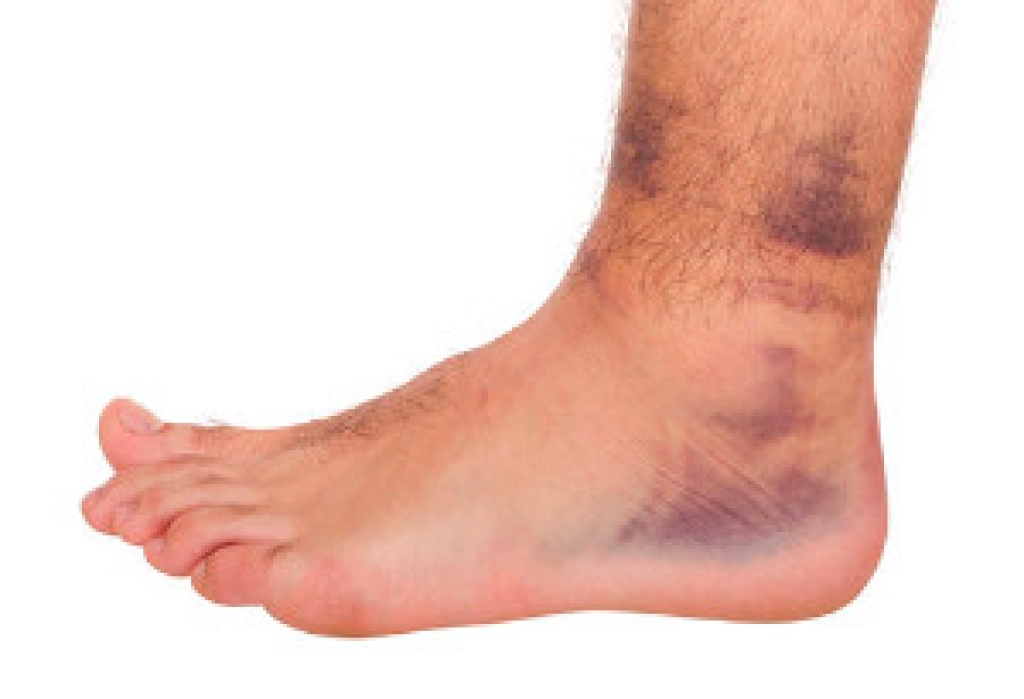
Ankle pain during sports events can affect athletes of all skill levels. It occurs when the structures that support the ankle, including muscles, tendons, ligaments, and bones, experience excessive stress or injury. Sports that involve jumping, quick movements, and sudden changes in direction place additional pressure on the ankle joint. Common causes include strains, tendinitis, and stress fractures. Understanding the definition and causes of sports-related ankle pain can help athletes recognize symptoms early and take steps to protect their feet and ankles.

Symptoms of ankle injuries may include pain, swelling, and stiffness. Bruising and difficulty putting weight on the affected foot may also occur. Some athletes may experience weakness, a reduced range of motion, or discomfort during specific movements. Strains occur when muscles or tendons are overstretched or torn, while tendinitis develops when a tendon becomes irritated from repetitive stress. Stress fractures are small cracks in the bone caused by repeated impact. These injuries can worsen if ignored and may interfere with athletic performance.


Risk factors for ankle pain include participating in high-impact sports, previous injuries, improper footwear, and inadequate conditioning. Basketball and volleyball players are at increased risk because jumping and landing place significant stress on the ankles. Running sports and activities involving repeated impact can also contribute to overuse injuries. Poor flexibility, weak supporting muscles, and sudden increases in training intensity may further increase the likelihood of developing ankle problems.


Preventing ankle pain requires proper preparation and care. Warming up before activity helps prepare muscles and joints for movement, while stretching improves flexibility and reduces strain. Wearing supportive athletic shoes and using proper techniques during jumping and landing can also reduce injury risk. Strengthening the ankle and lower-leg muscles provides additional stability. If you have ankle pain related to sports activity, it is suggested that you consult a podiatrist for an accurate diagnosis and appropriate treatment.

Ankle and foot injuries are common among athletes and in many sports. They can be caused by several problems and may be potentially serious. If you are feeling pain or think you were injured in a sporting event or when exercising, consult with one of our podiatrists from Barry University Foot and Ankle Institute. Our doctors will assess your condition and provide you with quality foot and ankle treatment.

Common Injuries

The most common injuries that occur in sporting activities include:

  • Achilles Tendonitis
  • Achilles Tendon Rupture
  • Ankle Sprains
  • Broken Foot
  • Plantar Fasciitis
  • Stress Fractures
  • Turf Toe

Symptoms

Symptoms vary depending upon the injury and in some cases, there may be no symptoms at all. However, in most cases, some form of symptom is experienced. Pain, aching, burning, bruising, tenderness, tightness or stiffness, sensation loss, difficulty moving, and swelling are the most common symptoms.

Treatment

Just as symptoms vary depending upon the injury, so do treatment options. A common treatment method is known as the RICE method. This method involves rest, applying ice, compression and elevating the afflicted foot or ankle. If the injury appears to be more serious, surgery might be required, such as arthroscopic or reconstructive surgery. Lastly, rehabilitation or therapy might be needed to gain full functionality in the afflicted area. Any discomfort experienced by an athlete must be evaluated by a licensed, reputable medical professional.  

If you have any questions please contact our offices located in North Miami Beach, Miami, and Tamarac, FL . We offer the newest diagnostic and treatment technologies for all your foot and ankle needs.

Read more about Sports Related Foot and Ankle Injuries

Facts About Rheumatoid Arthritis in the Feet

Rheumatoid arthritis, often referred to as RA, is a chronic autoimmune condition in which the immune system mistakenly attacks the lining of the joints. This attack targets the connective tissue that supports and cushions the joints, leading to inflammation and damage over time. Unlike wear-and-tear arthritis, rheumatoid arthritis affects both sides of the body and can involve multiple joints, including those in the feet and ankles. The condition can interfere with daily movement and may progress if not properly managed.

Symptoms of rheumatoid arthritis in the feet commonly include painful inflammation, stiffness, and swelling in the joints. These symptoms are often worse in the morning or after periods of rest. Individuals may notice difficulty walking, reduced flexibility, and tenderness in the ball of the foot or toes. As the condition advances, joint deformities may develop, which can change foot shape and increase pressure in certain areas. Persistent discomfort can make routine activities more challenging.


The cause of rheumatoid arthritis is linked to an abnormal immune response, although the exact trigger is not fully understood. The immune system attacks the joint lining, causing inflammation that can damage cartilage and bone. This process can lead to joint instability and reduced function. Complications may extend beyond the joints and include skin issues, such as nodules, and circulatory concerns that affect overall health. These systemic effects highlight the importance of early recognition and care.


Risk factors for rheumatoid arthritis include genetic predisposition, female gender, and certain environmental influences. The condition can develop at any age, but is more common in middle-aged adults. Managing symptoms early can help protect joint health and maintain mobility. Wearing supportive footwear and regular monitoring can reduce stress on affected joints. If you have symptoms of RA in your feet, it is suggested that you are under the care of a podiatrist who can offer effective relief and management tips.

Because RA affects more than just your joints, including the joints in your feet and ankles, it is important to seek early diagnosis from your podiatrist if you feel like the pain in your feet might be caused by RA. For more information, contact one of our podiatrists of Barry University Foot and Ankle Institute. Our doctors will assist you with all of your podiatric concerns.

What Is Rheumatoid Arthritis?

Rheumatoid Arthritis (RA) is an autoimmune disorder in which the body’s own immune system attacks the membranes surrounding the joints. Inflammation of the lining and eventually the destruction of the joint’s cartilage and bone occur, causing severe pain and immobility.

Rheumatoid Arthritis of the Feet

Although RA usually attacks multiple bones and joints throughout the entire body, almost 90 percent of cases result in pain in the foot or ankle area.

Symptoms

  • Swelling and pain in the feet
  • Stiffness in the feet
  • Pain on the ball or sole of feet
  • Joint shift and deformation

Diagnosis

Quick diagnosis of RA in the feet is important so that the podiatrist can treat the area effectively. Your doctor will ask you about your medical history, occupation, and lifestyle to determine the origin of the condition. Rheumatoid Factor tests help to determine if someone is affected by the disease.

If you have any questions, please feel free to contact our offices located in North Miami Beach, Miami, and Tamarac, FL . We offer the newest diagnostic and treatment technologies for all your foot care needs.

Read more about Rheumatoid Arthritis in the Feet

Extensor Tendonitis and Running-Related Foot Pain

Extensor tendonitis causes pain on the top of the foot due to inflammation of the tendons responsible for lifting the toes. These tendons play a vital role in maintaining balance and proper stride during running. When they become overworked or irritated, discomfort can develop. This condition is often seen in runners who place repeated stress on their feet. Learning the definition and causes of extensor tendonitis can help prevent injury and support long term activity.

Common symptoms include aching or sharp pain along the top of the foot, especially during or after running. The affected area may feel sore to the touch and may show mild swelling. Some individuals experience increased discomfort while wearing tight shoes, or when bending the foot upward. Symptoms may worsen with continued activity and improve with rest. Recognizing these warning signs early can help reduce the risk of further damage.


Risk factors for extensor tendonitis include overtraining, sudden increases in activity, and wearing improper footwear. Shoes that are too tight across the top of the foot can create pressure and irritation. Running on hard or uneven surfaces may also contribute to strain. Poor flexibility and lack of proper warm up can increase susceptibility. These factors place stress on the tendons and can lead to inflammation over time.


Managing this condition involves addressing the underlying causes and allowing the tendons to recover. Wearing properly fitted shoes and adjusting lacing can reduce pressure. Rest and gradual return to activity can support healing. Stretching exercises can improve flexibility and reduce tension in the tendons. Seeking podiatric care ensures accurate diagnosis and effective treatment. If you have pain on the top of your foot while running, it is suggested that you consult a podiatrist who can offer effective relief and treatment solutions.

Foot Pain

Foot pain can be extremely painful and debilitating. If you have a foot pain, consult with one of our podiatrists from Barry University Foot and Ankle Institute. Our doctors will assess your condition and provide you with quality foot and ankle treatment.

Causes

Foot pain is a very broad condition that could be caused by one or more ailments. The most common include:

  • Bunions
  • Hammertoes
  • Plantar Fasciitis
  • Bone Spurs
  • Corns
  • Tarsal Tunnel Syndrome
  • Ingrown Toenails
  • Arthritis (such as Gout, Rheumatoid, and Osteoarthritis)
  • Flat Feet
  • Injury (from stress fractures, broken toe, foot, ankle, Achilles tendon ruptures, and sprains)
  • And more

Diagnosis

To figure out the cause of foot pain, podiatrists utilize several different methods. This can range from simple visual inspections and sensation tests to X-rays and MRI scans. Prior medical history, family medical history, and any recent physical traumatic events will all be taken into consideration for a proper diagnosis.

Treatment

Treatment depends upon the cause of the foot pain. Whether it is resting, staying off the foot, or having surgery; podiatrists have a number of treatment options available for foot pain.

If you have any questions, please feel free to contact our offices located in North Miami Beach, Miami, and Tamarac, FL . We offer the newest diagnostic and treatment technologies for all your foot care needs.

Read more about Foot Pain

Connect With Us

Advanced Podiatric Procedures & Services in the Miami-Dade County, FL: North Miami Beach (Opa-locka, Westview, Palm Springs North, Miami Lakes, Miami Gardens, Aventura) and Miami (Fisher Island, Miami Beach, Coral Gables, Westchester, Hialeah, Key Biscayne, Fontainebleau), and Broward County, FL: Tamarac (Margate, Palm Aire, Coral Springs, Parkland, Coconut Creek, Sunrise, Lauderdale Lakes, Plantation, Lauderhill, Oakland Park, Wilton Manors, Pompano Beach, Hollywood, West Park, Miramar, Hallandale Beach) areas