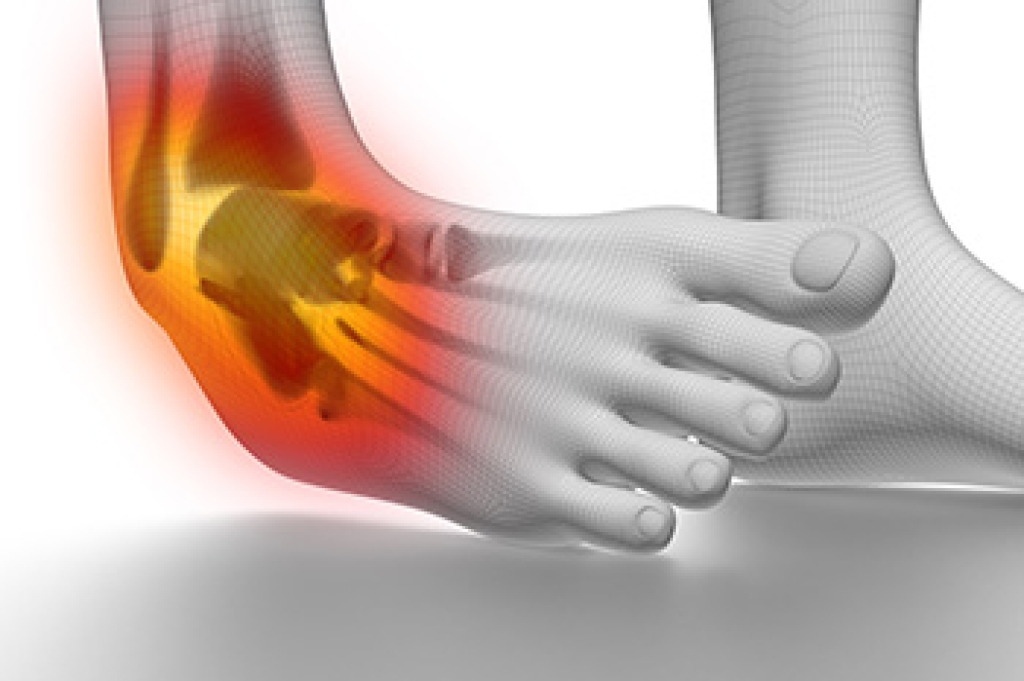
Getting Back on Your Feet After an Ankle Sprain

A sudden ankle twist can seem like a small setback, but these injuries can cause bigger problems, when not treated properly. An ankle sprain happens when the strong bands of tissue that support the joint are stretched or torn, often during a misstep, sports activity, or awkward landing. Common signs include swelling, tenderness, bruising, pain with movement, and trouble putting weight on the foot. Some people feel better within weeks, while others notice the ankle keeps feeling weak or gives out unexpectedly. Proper evaluation helps determine how serious the injury is and whether additional imaging or support is needed. Treatment may include bracing, temporary activity changes, and guided exercises. A well-managed recovery can help lower the chance of repeated injuries and long-term instability. If you have a painful ankle sprain, it is suggested that you visit a podiatrist for appropriate treatment solutions.

Although ankle sprains are common, they aren’t always minor injuries. If you need your ankle injury looked at, contact one of our podiatrists from Barry University Foot and Ankle Institute. Our doctors can provide the care you need to keep you pain-free and on your feet.

How Does an Ankle Sprain Occur?

Ankle sprains are the result of a tear in the ligaments within the ankle. These injuries may happen when you make a rapid shifting movement while your foot is planted. A less common way to sprain your ankle is when your ankle rolls inward while your foot turns outward.

What Are the Symptoms?

  • Pain at the sight of the tear
  • Bruising/Swelling
  • Ankle area is tender to touch
  • In severe cases, may hear/feel something tear
  • Skin discoloration

Preventing a Sprain

  • Wearing appropriate shoes for the occasion
  • Stretching before exercises and sports
  • Knowing your limits

Treatment of a Sprain

In many cases, the RICE method (Rest, Ice, Compression, and Elevate) is used to treat ankle sprains. However, you should see a podiatrist to see which treatment option would work best with your injury. In severe cases, surgery may be required.

It is important to ask your doctor about rehab options after you receive treatment for your injury. Stretching, strength training, and balance exercises may help the ankle heal while also preventing further injury.

If you have any questions, please feel free to contact our offices located in North Miami Beach, Miami, and Tamarac, FL . We offer the newest diagnostic and treatment technologies for all your foot care needs.

Read more about Ankle Sprains

What Can Shockwave Therapy Be Used For?

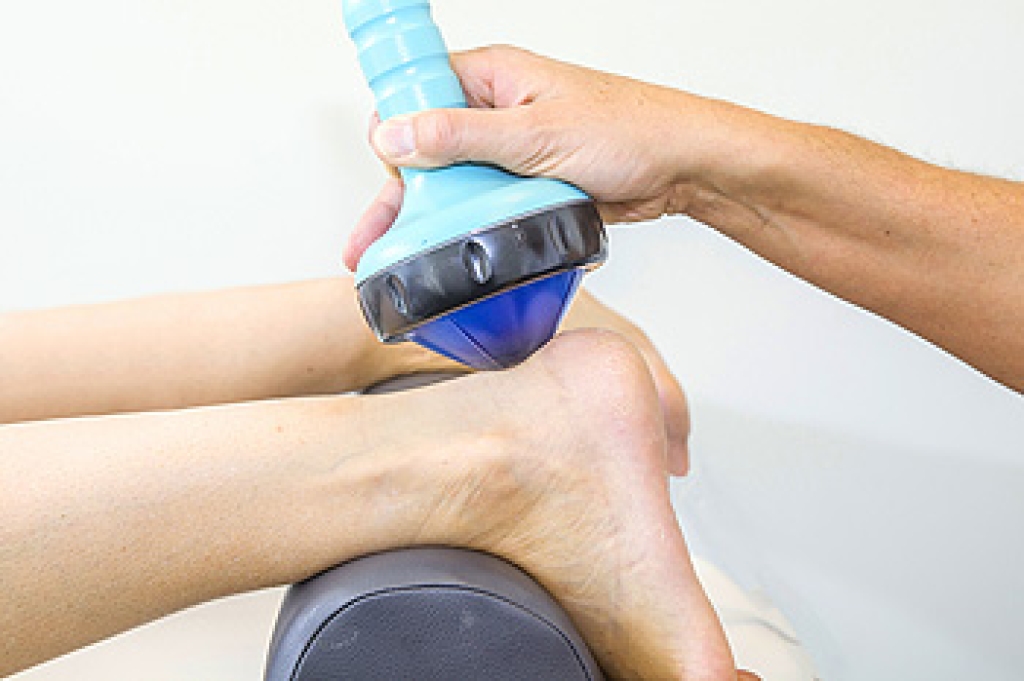
Patients who undergo shockwave therapy may notice how simple and effective this type of treatment can be. It is administered by sending wave pulses to the affected area of the foot, and this may be helpful in reducing existing inflammation. Shockwave therapy can be used in treating specific foot conditions that can include Achilles tendonitis, plantar fasciitis, or ligament injuries. It is known to stimulate the formation of new blood vessels, which is helpful in promoting healing. The benefit of choosing this type of treatment can include the short amount of time necessary to complete the treatments. The need for surgery may even be eliminated. If you would like additional information on how shockwave therapy can treat certain foot conditions, please confer with a podiatrist.

Shockwave therapy is a treatment commonly used to treat various injuries and conditions, particularly plantar fasciitis in the feet. To learn more, consult with one of our podiatrists from Barry University Foot and Ankle Institute. Our doctors can provide the care you need to keep you pain-free and on your feet.

Shockwave Therapy

Shockwave therapy is a new treatment option designed to treat bone conditions such as tennis elbow, shoulder pain, and others. Shockwave therapy uses high intensity sound waves that are directed to the affected tissues of the body with pinpoint accuracy. The effects are very beneficial, leading to a production of collagen fibers, eliminating inflammation.

Who Benefits from Shockwave?

Shockwave is recommended for patients suffering from heel pain and associated problems. Heel pain is a common condition which can be caused by obesity, overexertion, and spending a substantial amount of time on hard floors with your feet exposed and unsupported.

Fast and Easy

The therapy is actually a simple process that can leave patients feeling better the very next day. Shockwave therapy is not as dramatic as it sounds. It enables more blood flow to effected areas, addressing the source of the problem and allowing treatment to last for a long time.

Treatment & Recovery Time

Shockwave treatment will enable your feet to recover quickly. This is especially important since surgery is not required. It is cost effective and does not require the use of anesthesia. This treatment is a better option to surgery, since it is proven safe.

If you have any questions, please feel free to contact our offices located in North Miami Beach, Miami, and Tamarac, FL . We offer the newest diagnostic and treatment technologies for all your foot care needs.
Read more about Treating Heel Pain with Shockwave Therapy

Foot and Ankle Injuries From Tennis

Tennis places heavy stress on the feet and ankles because the game requires quick turns, sudden stops, and fast side-to-side movement. Common injuries include ankle sprains, heel pain, stress fractures, and Achilles tendon injuries. Hard courts place repeated pressure on the joints and bones of the feet, while slippery courts increase the risk of twisting an ankle. Wearing shoes that lack proper support can also lead to pain and instability. A podiatrist can diagnose these injuries with a physical exam and imaging tests or X-rays. Treatment includes custom orthotics to improve foot alignment and reduce pressure on painful areas. Bracing or wearing a walking boot can help protect injured tendons and bones while they heal. Stretching exercises and strengthening programs can improve balance and ankle stability. In severe cases, surgery may be needed to repair damaged tissue or fractures. If you have foot or ankle pain after playing tennis, it is suggested that you make an appointment with a podiatrist for an exam and treatment options.

Sports related foot and ankle injuries require proper treatment before players can go back to their regular routines. For more information, contact one of our podiatrists of Barry University Foot and Ankle Institute. Our doctors can provide the care you need to keep you pain-free and on your feet.

Sports Related Foot and Ankle Injuries

Foot and ankle injuries are a common occurrence when it comes to athletes of any sport. While many athletes dismiss the initial aches and pains, the truth is that ignoring potential foot and ankle injuries can lead to serious problems. As athletes continue to place pressure and strain the area further, a mild injury can turn into something as serious as a rupture and may lead to a permanent disability. There are many factors that contribute to sports related foot and ankle injuries, which include failure to warm up properly, not providing support or wearing bad footwear. Common injuries and conditions athletes face, including:

  • Plantar Fasciitis
  • Achilles Tendinitis
  • Achilles Tendon Rupture
  • Ankle Sprains

Sports related injuries are commonly treated using the RICE method. This includes rest, applying ice to the injured area, compression and elevating the ankle. More serious sprains and injuries may require surgery, which could include arthroscopic and reconstructive surgery. Rehabilitation and therapy may also be required in order to get any recovering athlete to become fully functional again. Any unusual aches and pains an athlete sustains must be evaluated by a licensed, reputable medical professional.

If you have any questions please contact our offices located in North Miami Beach, Miami, and Tamarac, FL . We offer the newest diagnostic and treatment technologies for all your foot and ankle needs.

Read more about Sports Related Foot And Ankle Injuries

Gout and Its Triggers

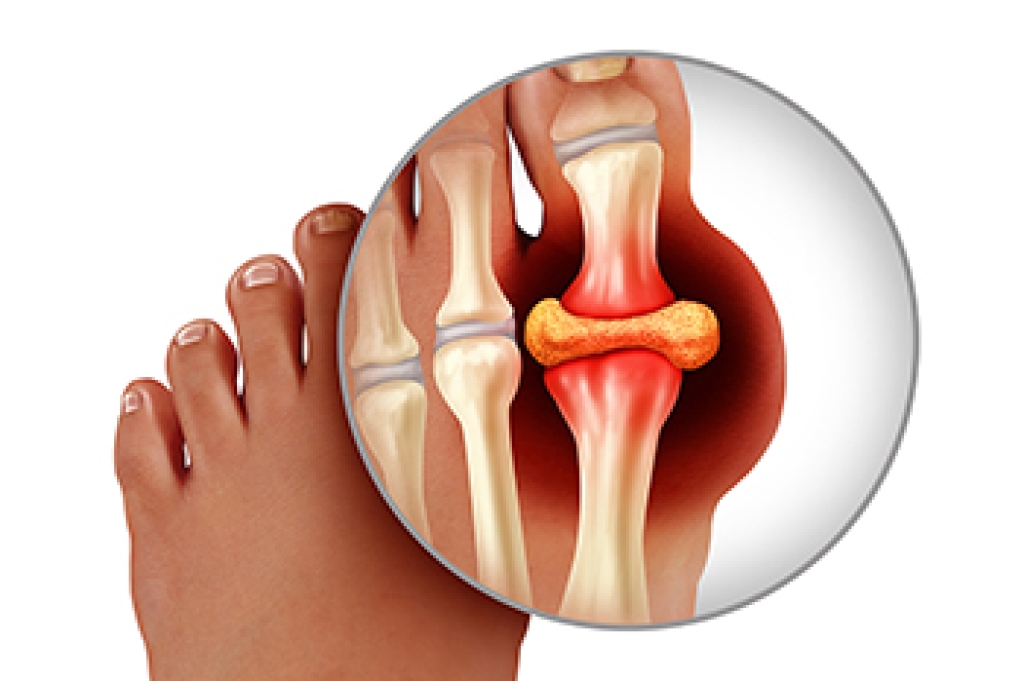
Gout is one of the oldest known forms of arthritis and develops when uric acid builds up in the body, forming sharp crystals in the joints. It often affects the big toe and can appear suddenly with intense pain, redness, warmth, and swelling. Attacks may come on overnight and make even light pressure feel unbearable. Several risk factors can increase the chance of gout, including a family history of the condition, frequent alcohol consumption, and diets high in red meat or sugary drinks. Obesity and certain medical conditions can also play a role. A podiatrist can identify gout, manage painful flare-ups, and work with patients to reduce joint damage and improve mobility. If you have intense pain in your big toe, it is suggested that you consult a podiatrist who can offer you a diagnosis and appropriate treatment.

Gout is a foot condition that requires certain treatment and care. If you are seeking treatment, contact one of our podiatrists from Barry University Foot and Ankle Institute. Our doctors will treat your foot and ankle needs.

What Is Gout?

Gout is a type of arthritis caused by a buildup of uric acid in the bloodstream. It often develops in the foot, especially the big toe area, although it can manifest in other parts of the body as well. Gout can make walking and standing very painful and is especially common in diabetics and the obese.

People typically get gout because of a poor diet. Genetic predisposition is also a factor. The children of parents who have had gout frequently have a chance of developing it themselves.

Gout can easily be identified by redness and inflammation of the big toe and the surrounding areas of the foot. Other symptoms include extreme fatigue, joint pain, and running high fevers. Sometimes corticosteroid drugs can be prescribed to treat gout, but the best way to combat this disease is to get more exercise and eat a better diet.

If you have any questions, please feel free to contact our offices located in North Miami Beach, Miami, and Tamarac, FL . We offer the newest diagnostic and treatment technologies for all your foot care needs.

Read more about Gout

The Importance of Shoes That Fit Properly

Properly fitting shoes have a larger impact on foot health than many people realize. The shape and size of your foot change over time because ligaments and soft tissues relax and stretch as you age. Having foot measurements done annually or even twice a year can help you keep track of the right shoe size for you. Making sure your toes can move freely inside your shoe is important. If your toes don’t have enough room, this could lead to corns, calluses, or deformed toes. Ill-fitting shoes can also cause complications such as bunions, Morton’s neuroma, or plantar fasciitis. Wearing high heels also increases the risk of painful foot conditions because of the pressure that is put on the forefoot. If you would like to learn more about how to find your proper shoe size, it is suggested you consult with a podiatrist.

Finding a properly-fitting shoe is important in reducing injuries and preventing foot problems. For more information about treatment, contact one of our podiatrists from Barry University Foot and Ankle Institute. Our doctors will treat your foot and ankle needs.

Proper Shoe Fitting

A common concern when it comes to foot health, having properly fitted shoes can help prevent injuries to the foot. Out feet affect our posture and gait, which in turn affects the biomechanics and overall bodily structure. With 33 joints, 26 bones, and over 100 ligaments, the potential for serious injury is much greater than one realizes. Although the feet cease growth in adulthood, they still change shape as they mature. Here are some factors to consider when it comes to investing in proper fitting shoes:

  • Be sure the shoes fit correctly right away
  • Ensure the ball of your foot fits comfortably in the widest portion of the shoes
  • Even though they may look fashionable, improper fitting shoes can either create adverse conditions or exacerbate existing ones you may already have
  • Walk along a carpeted surface to ensure the shoes comfortably fit during normal activity

Keeping in mind how shoes fit the biomechanics of your body, properly-fitting shoes are vitally important. Fortunately, it is not difficult to acquire footwear that fits correctly. Be sure to wear shoes that support the overall structure of your body. Do your feet a favor and invest in several pairs of well-fitted shoes today.

If you have any questions, please feel free to contact our offices located in North Miami Beach, Miami, and Tamarac, FL . We offer the newest diagnostic and treatment technologies for all your foot care needs.

Read more about Getting the Right Shoe Size: To Keep Your Feet Happy

Connect With Us

Advanced Podiatric Procedures & Services in the Miami-Dade County, FL: North Miami Beach (Opa-locka, Westview, Palm Springs North, Miami Lakes, Miami Gardens, Aventura) and Miami (Fisher Island, Miami Beach, Coral Gables, Westchester, Hialeah, Key Biscayne, Fontainebleau), and Broward County, FL: Tamarac (Margate, Palm Aire, Coral Springs, Parkland, Coconut Creek, Sunrise, Lauderdale Lakes, Plantation, Lauderhill, Oakland Park, Wilton Manors, Pompano Beach, Hollywood, West Park, Miramar, Hallandale Beach) areas