
Non-Injury Causes of Foot and Ankle Pain

Foot or ankle pain can develop even when no clear injury has occurred. Repeated strain from work or exercise can irritate muscles, joints, and connective tissues. Changes related to aging can affect foot shape, joint movement, and nail health. Wearing shoes that lack proper support or do not fit can add pressure to these areas. Symptoms vary and can include aching, stiffness, or swelling. Some patients notice burning and tingling, numbness, or changes in skin colour. Pain can affect the toes, heel, or ankle, and may make standing or walking difficult.

The location and type of discomfort can offer clues about its cause. Sharp pain beneath the heel can point to plantar fasciitis, which is irritation of the strong band of tissue supporting the arch. Pain behind the heel may involve the Achilles tendon or nearby tissue. Joint redness, warmth, and sudden severe pain can occur with gout. Bunions, flat feet, and arthritis can also lead to pain without a recent injury. Skin and nail problems are another possible source. Corns, athlete’s foot, and ingrown toenails can cause tenderness or burning. Nerve problems and poor circulation may cause tingling, temperature changes, or reduced feeling.

A podiatrist can determine why the pain is occurring and create a treatment plan based on the findings. The exam includes a review of symptoms, health history, and activities. The podiatrist examines the skin, nails, and way the feet move. X-rays can help identify bone or soft-tissue problems. Treatment options include custom orthotics to improve support, padding to reduce pressure, or guidance on fitting shoes. A podiatrist can provide care for skin and nail conditions. Persistent pain should not be ignored, especially when it limits movement or appears with redness, swelling, or loss of feeling. Early diagnosis can prevent a problem from becoming difficult to treat. If you have foot or ankle pain, it is suggested that you schedule an appointment with a podiatrist for a diagnosis and appropriate treatment.

Everyday foot care is very important to prevent infection and other foot ailments. If you need your feet checked, contact one of our podiatrists from Barry University Foot and Ankle Institute. Our doctors can provide the care you need to keep you pain-free and on your feet.

Everyday Foot Care

Often, people take care of their bodies, face and hair more so than they do for their feet. But the feet are a very important aspect of our bodies, and one that we should pay more attention to. Without our feet, we would not be able to perform most daily tasks.

It is best to check your feet regularly to make sure there are no new bruises or cuts that you may not have noticed before. For dry feet, moisturizer can easily be a remedy and can be applied as often as necessary to the affected areas. Wearing shoes that fit well can also help you maintain good foot health, as well as making it easier to walk and do daily activities without the stress or pain of ill-fitting shoes, high heels, or even flip flops. Wearing clean socks with closed shoes is important to ensure that sweat and bacteria do not accumulate within the shoe. Clean socks help to prevent Athlete’s foot, fungi problems, bad odors, and can absorb sweat.

If you have any questions, please feel free to contact our offices located in North Miami Beach, Miami, and Tamarac, FL . We offer the newest diagnostic and treatment technologies for all your foot care needs.
Read more about Everyday Foot Care

Burning Feet and What the Sensation May Mean

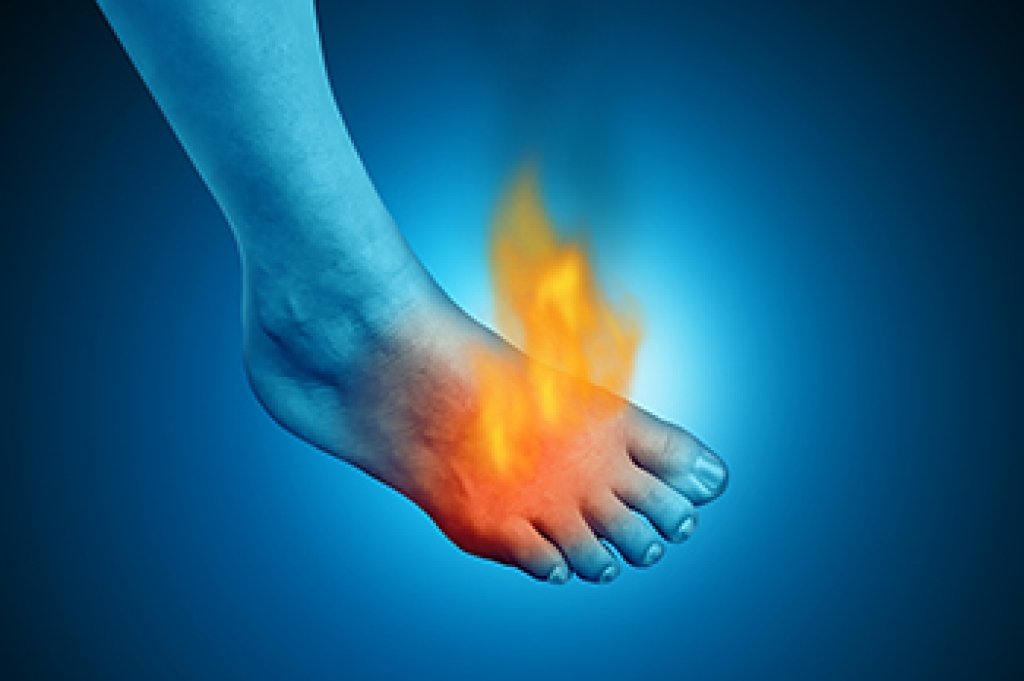
Burning on the bottom of the feet can feel like heat, pins and needles, or prickling. This sensation is often called paresthesia and may develop after activity. Symptoms can range from mild irritation to discomfort that affects walking. Common causes include nerve irritation, fungal infections, and forefoot pressure. Risk factors include diabetes, excessive sweating, and standing. Identifying the cause is important because burning feet can require different treatments.

A fungal infection can cause burning when irritated skin develops between the toes. Other symptoms may include itching, scaling, and cracking. Peripheral neuropathy affects nerves that carry signals between the feet and brain. It may cause burning, numbness, or sensitivity. Diabetes is an important risk factor. Morton’s neuroma involves irritation of a nerve between the toes. It may cause burning pain, tingling, or a pebble-like feeling inside the shoe. Tight shoes and forefoot pressure can increase risk.


A podiatrist begins by reviewing your symptoms, health history, and footwear. The feet may be examined for skin changes, nerve sensitivity, and pressure points. Testing may be recommended when symptoms suggest neuropathy or another underlying condition. Treatment depends on the cause and may include antifungal medication, footwear changes, or medication recommendations for nerve discomfort. A podiatrist may monitor healing and address contributing foot problems to reduce irritation and protect healthy skin.


Burning feet should not be ignored when symptoms persist, worsen, or interfere with daily activities. Early evaluation can help identify the cause. Keeping feet clean and dry, choosing properly fitted shoes, and checking the skin regularly can support foot health. Many causes can be managed effectively and safely with proper treatment. If you have a burning sensation on the bottom of your feet, it is suggested that you consult a podiatrist for an accurate diagnosis and appropriate treatment.

Foot Pain

Foot pain can be extremely painful and debilitating. If you have a foot pain, consult with one of our podiatrists from Barry University Foot and Ankle Institute. Our doctors will assess your condition and provide you with quality foot and ankle treatment.

Causes

Foot pain is a very broad condition that could be caused by one or more ailments. The most common include:

  • Bunions
  • Hammertoes
  • Plantar Fasciitis
  • Bone Spurs
  • Corns
  • Tarsal Tunnel Syndrome
  • Ingrown Toenails
  • Arthritis (such as Gout, Rheumatoid, and Osteoarthritis)
  • Flat Feet
  • Injury (from stress fractures, broken toe, foot, ankle, Achilles tendon ruptures, and sprains)
  • And more

Diagnosis

To figure out the cause of foot pain, podiatrists utilize several different methods. This can range from simple visual inspections and sensation tests to X-rays and MRI scans. Prior medical history, family medical history, and any recent physical traumatic events will all be taken into consideration for a proper diagnosis.

Treatment

Treatment depends upon the cause of the foot pain. Whether it is resting, staying off the foot, or having surgery; podiatrists have a number of treatment options available for foot pain.

If you have any questions, please feel free to contact our offices located in North Miami Beach, Miami, and Tamarac, FL . We offer the newest diagnostic and treatment technologies for all your foot care needs.

Read more about Foot Pain

Connect With Us

Advanced Podiatric Procedures & Services in the Miami-Dade County, FL: North Miami Beach (Opa-locka, Westview, Palm Springs North, Miami Lakes, Miami Gardens, Aventura) and Miami (Fisher Island, Miami Beach, Coral Gables, Westchester, Hialeah, Key Biscayne, Fontainebleau), and Broward County, FL: Tamarac (Margate, Palm Aire, Coral Springs, Parkland, Coconut Creek, Sunrise, Lauderdale Lakes, Plantation, Lauderhill, Oakland Park, Wilton Manors, Pompano Beach, Hollywood, West Park, Miramar, Hallandale Beach) areas